A surprise cameo rewires a fandom conversation when it changes what audiences think the story is about, not just who appears on screen. The reveal works best when it connects memory, plot function, and shared discovery into one moment fans can debate together.
Fandom-reaction snapshot: The cameo has to do three jobs: reward existing knowledge, stay understandable to casual viewers, and create a new question about the story’s future or meaning.
The cameo is a social event, not only a casting choice
A cameo becomes powerful because fans do not experience it in isolation. They carry rumors, trailers, interviews, prior films, character histories, and community theories into the viewing moment. When the reveal lands, the conversation shifts from “will it happen?” to “what does it mean?” That pivot is the real rewiring.
For public context, Marvel’s official movie-special coverage explains how the returning Spider-Man actors fit into the film’s multiverse framing, while Time’s cameo explainer shows how mainstream audiences were guided through the cross-franchise references.
Spider-Man: No Way Home offers a clear public example. Marvel’s own coverage later framed the film around all three Peter Parkers coming together, while Time’s explainer documented how the film’s cameos connected previous Spider-Man franchises for mainstream readers. Those pieces are useful because they show both sides of the reaction: official storytelling emphasis and public-facing explanation for viewers trying to place each return.
The lesson is not that every franchise should chase surprise. The lesson is that surprise has to convert into story value. A cameo with no consequence may trend for a weekend and then fade. A cameo that changes character choices, reframes earlier installments, or alters audience expectations can become a hinge for discussion long after release.
| Phase | What fans are doing | What the creative team risks |
|---|---|---|
| Before release | Reading clues, denying leaks, comparing trailer gaps, and mapping old continuity. | Overexposure, disappointment, or a reveal that feels more important than the main story. |
| During the reveal | Reacting emotionally and checking whether the cameo has a role beyond recognition. | Stopping the movie cold for applause without moving the scene forward. |
| After release | Rewatching old material, making explainers, debating canon, and speculating about follow-ups. | Letting fan-service discussion overshadow theme, pacing, or the central character arc. |
A strong cameo has a reason to enter the scene
The strongest surprise appearances solve an active problem. They may bring knowledge the current hero lacks, force a character to confront an earlier version of themselves, or make a theme visible in human form. This is why a cameo can feel earned even when viewers expected it. The moment is not only “I know that actor.” It is “this person belongs in this conflict.”
That distinction matters for fandom culture. Fans will happily analyze continuity, but they are also quick to notice when a story treats them as a marketing segment rather than an audience. In a healthy reveal, recognition is the doorway and emotional use is the room. The cameo should change the scene’s options. It should not merely decorate them.
This is also why surprise cameos often send viewers back to related works. A cameo can refresh older titles, revive character debates, and encourage thematic comparison. That behavior resembles the disciplined list-building approach in building a thematic watchlist or reading list around one cultural question, because fans are not only consuming more content; they are organizing a question about identity, legacy, authorship, or canon.
The fandom conversation changes shape
Before the reveal, the community often behaves like a prediction market. Fans gather fragments, rank probabilities, and argue about whether secrecy is real. After the reveal, the community becomes an interpretation machine. The same people start asking why that character returned, what the moment says about earlier stories, and whether the franchise now has permission to use nostalgia more directly.
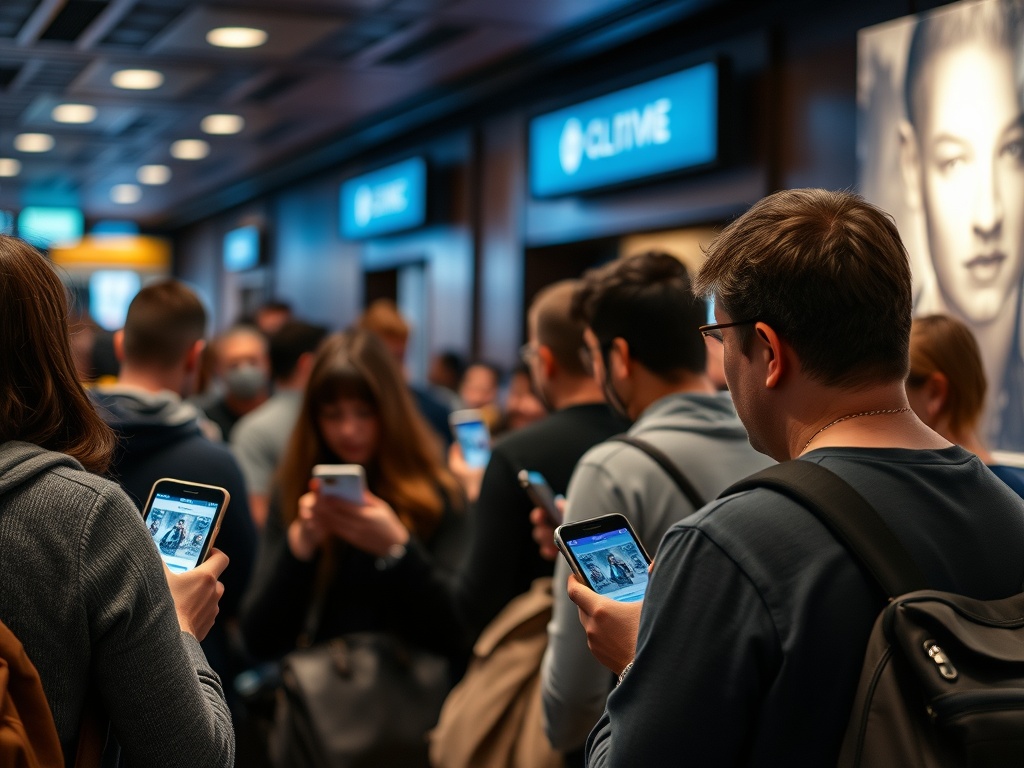
That shift can help a studio, but it can also create pressure. A reveal that thrills fans once can raise expectations for the next installment. If the next story has no comparable surprise, viewers may read restraint as failure. The creative team must decide whether the cameo is a one-time emotional payoff or a new operating model for the franchise.
What creators can learn from the fan-service trap
For writers, producers, and marketers, the practical lesson is restraint. A cameo should answer a story need before it answers a promotional need. If it does both, it can feel generous. If it only answers the promotional need, it may produce noise without depth.
The same principle applies outside film. A musician bringing out a surprise guest, a comic series reviving a character, or a convention panel revealing a returning cast member can reshape conversation only when the appearance has context. It helps to ask: What did the audience believe before this moment, what do they believe afterward, and what new conversation can they have that is richer than recognition alone?
For readers tracking fandom behavior, compare this kind of cameo to other cultural marketing moments such as what makes a festival aftermovie effective as marketing. Both depend on emotional compression. Both turn a live or theatrical event into shareable memory. The difference is that a cameo works through narrative shock, while an aftermovie works through atmosphere and proof of experience.
A measured way to judge the reveal
A surprise cameo is successful when it leaves the main story stronger after the noise settles. Look past opening-week reactions and ask whether the character altered stakes, clarified theme, rewarded prior knowledge without punishing newcomers, and expanded the audience’s questions. When those tests are met, the cameo has not merely appeared in the fandom conversation. It has reorganized it.
A reality check after the applause
The loudest opening-week reaction is not always the best measure of a cameo’s value. A useful review happens later, after memes, spoilers, and first reactions slow down. At that point, ask whether the appearance changed character understanding or only produced a temporary recognition rush.
For studios and creators, that later review protects future storytelling. If the cameo became the only thing people remember, the reveal may have overpowered the core narrative. If people discuss the cameo alongside theme, character, and consequence, the moment probably integrated well enough to support future work.
A useful final test is whether the cameo still works for a viewer who knows the character only lightly. They may miss some emotional layering, but the scene should still communicate need, tension, or humor. When newcomers are completely locked out, the cameo becomes a private joke rather than a story beat.
That accessibility is what lets the surprise expand the audience rather than only rewarding the most dedicated fans.