A good fan trip starts with verified tickets, realistic travel timing, clear venue rules, and respectful behavior toward staff, athletes, officials, and other fans. Most problems happen when people leave ticket checks, transport, bag rules, and etiquette until game day.
TL;DR: Buy tickets through official or trusted resale channels and confirm transfer rules. Check venue bag, entry, parking, and mobile-ticket policies before leaving. Arrive earlier for major events, rivalry games, and unfamiliar stadiums. Good etiquette means supporting your team without harassing people around the event.
Ticket Basics Before You Pay
Fans should confirm the event date, opponent, section, seat location, transfer method, refund terms, and resale rules before buying. Mobile tickets are common, and some venues require tickets to be displayed inside an official app. Screenshots may not work if the venue uses rotating barcodes.
For high-demand events, price alone is not enough to judge a deal. A suspiciously cheap ticket can lead to entry problems. Use official team, league, venue, or well-known resale channels when possible. Keep order confirmations and make sure every person in the group has access before arriving at the gate.
Travel Planning That Reduces Stress
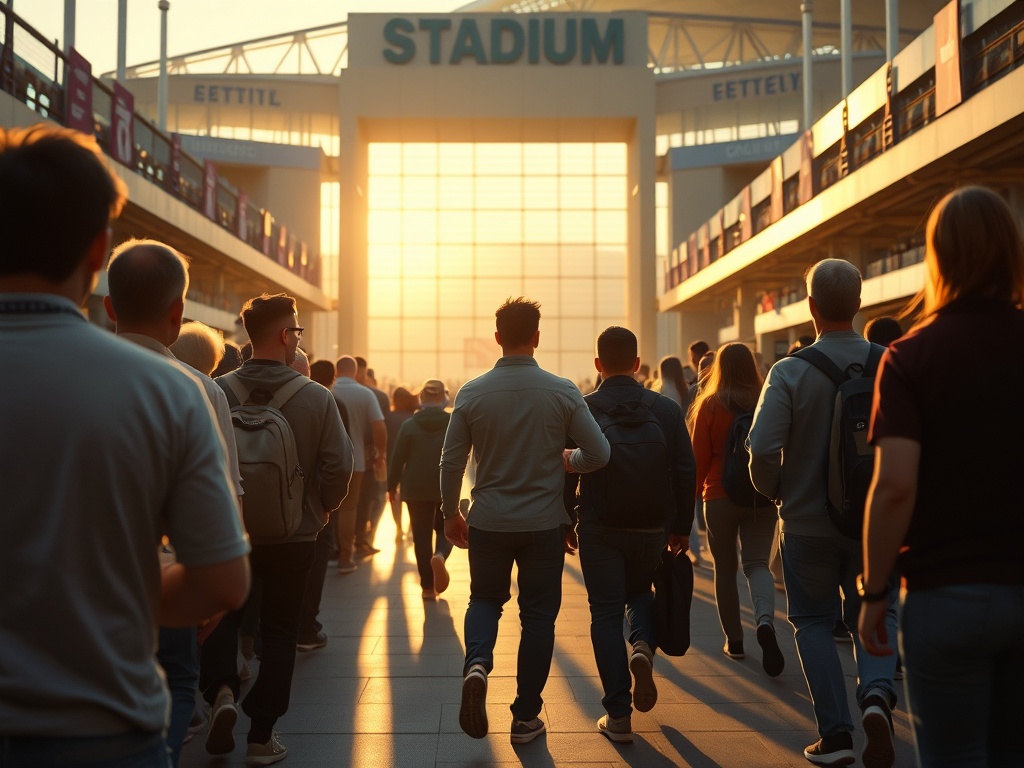
Work backward from entry time, not kickoff or first pitch. Add time for traffic, rideshare queues, parking walks, security, bathroom lines, food, and finding seats. For large tournaments, concerts attached to games, or unfamiliar cities, a 30-minute buffer can disappear quickly.
FIFA stadium safety and security regulations are written for event organizers, but they show how much planning sits behind crowd flow, access control, and emergency operations. Fans do not need to study regulations in full; they need to respect that venue instructions exist to move large groups safely.
Common Fan Questions Answered Quickly
| Question | Practical answer | Why it matters |
|---|---|---|
| When should I arrive? | Earlier than you think for major events | Lines and security take time |
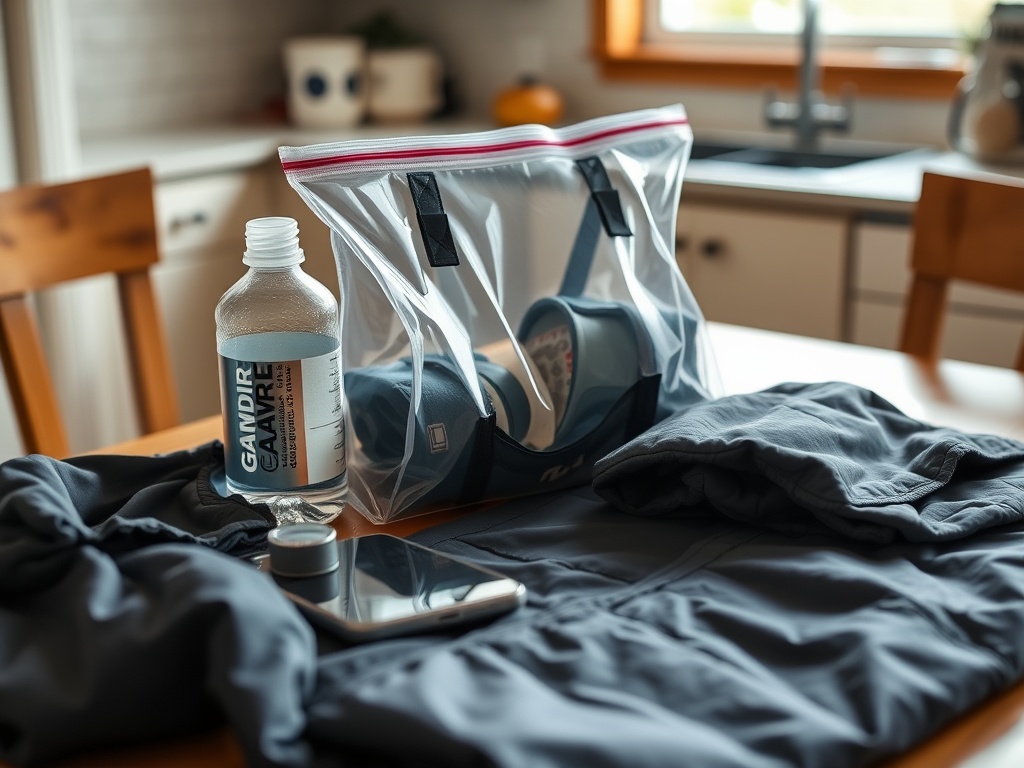
| Can I bring a bag? | Check the venue policy before leaving | Rules vary by event |
| Are mobile tickets enough? | Usually yes, if shown in the required app | Screenshots may fail |
| Should I buy merch at the venue? | Set a budget before entering | Impulse prices add up |
| How loud is too loud? | Cheer without harassing or blocking others | Respect keeps the event enjoyable |
Venue Etiquette That Actually Matters
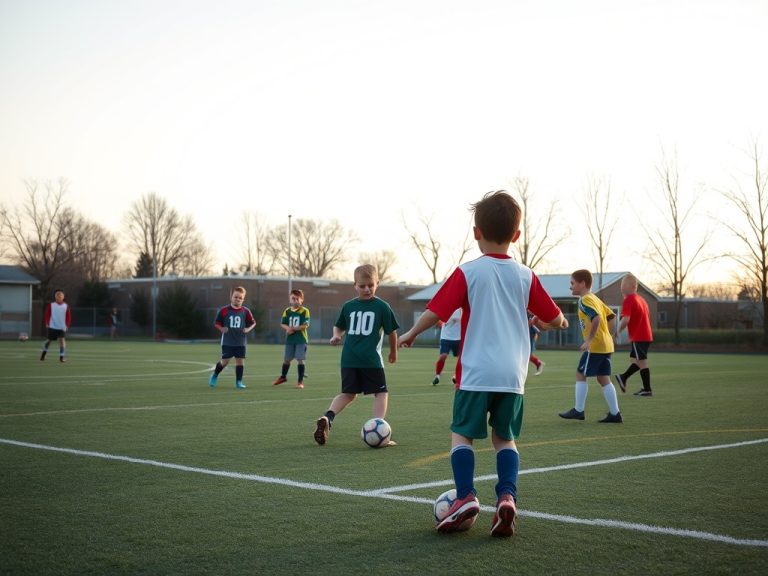
Cheer loudly, but do not block views for long stretches, throw objects, abuse officials, harass athletes, or ignore staff instructions. Rival fans should be treated as people attending the same event, not as targets. Family sections, youth events, and neutral-site games may call for extra awareness of language and behavior.
Online behavior matters too. Social posts that tag athletes after mistakes can cross from fandom into harassment. Good fan culture supports passion without turning players, coaches, officials, or other supporters into punching bags.
Budget Choices For A Better Day
Ticket price is only part of the cost. Parking, transit, food, merchandise, hotel rates, service fees, and time off work can exceed the seat price. Decide before the event where spending matters most: better seats, easier travel, food, or staying overnight.
If gear or merchandise is part of the day, Are Expensive Tennis Strings, Golf Balls, and Cycling Kits Worth It? offers a useful way to think about value versus impulse spending. For the business side of fan experience, What Investors Look for in Sports Tech and Fan Experience Startups explains why teams and venues care so much about convenience.
What To Do When Plans Change
If someone cannot attend, check transfer deadlines and resale rules early. If weather threatens an outdoor event, follow official venue channels rather than rumor posts. If a game time changes, confirm hotel, transport, and child-care plans before the new schedule creates a rush.
Youth events have their own pressures. The Next Decade of Youth Sports: More Data, More Access, or More Pressure? connects fan behavior to a broader question: how adults create sports environments that young people can enjoy without unnecessary pressure.
A Game-Day Checklist That Saves Time
The simplest fan checklist has five items: ticket access, venue rules, travel route, payment method, and weather plan. Check them before the day of the event. Last-minute searches at the gate create stress, drain phone batteries, and slow down the group behind you.
Families should assign responsibilities. One person manages tickets, one checks transport, and one confirms bags or child needs. For large groups, share seat locations and a meeting point in case someone gets separated. Do not rely only on mobile service inside a crowded venue.
Respectful behavior should also be part of the plan. Decide before emotions rise that staff directions will be followed and rival fans will not be harassed. The best live events feel intense without feeling unsafe.
After the event, review what worked. If parking was difficult, try transit next time. If food lines were long, eat earlier. Small adjustments make future events smoother and cheaper.
Practical FAQ
Are resale tickets safe?
They can be, but only through trusted platforms with clear buyer protections and valid transfer rules. Avoid screenshots, vague sellers, or deals that bypass official transfer systems.
What should I do if I am late?
Go directly to the correct gate, follow staff instructions, and avoid blocking aisles once inside. Entering during natural breaks in play is usually more respectful.
How do I handle rival fans nearby?
Cheer for your team without personal insults, threats, or blocking views. Good rivalry adds energy; harassment makes the event worse for everyone.
Field Note
A final field note: fans help define the culture of a sport. Buying a ticket gives access to the event, not permission to ignore the people around it. The best trips combine passion with awareness, so athletes, staff, families, and rival supporters can share the same space safely.
Context Check
Context check: etiquette rules are not only about being polite. They protect sightlines, crowd movement, staff safety, and the experience of families and first-time fans. A small choice such as standing in the aisle, blocking a row, or shouting abuse can affect many people around one seat.
Extra Application Note
First-time fans should also learn the rhythm of the specific sport. Some events have natural breaks where moving seats is acceptable, while others punish movement during active play. Watching the crowd and listening to ushers usually prevents awkward mistakes. That awareness is especially helpful when attending with children, older relatives, or guests who are new to live sports for the first time.
A Smoother Game-Day Plan
Before your next event, check three things today: ticket delivery method, bag policy, and arrival route. Those small checks prevent most game-day stress.